

Judicial candidates can tell voters about their experience. Campaign literature can describe their qualifications. But there is another way to evaluate someone asking for a seat on the bench: ask the lawyers who have actually watched them work.
Judicial races can be difficult for voters to evaluate. Most people will never watch the candidates argue a case, negotiate with opposing counsel or deal with the pressure that comes with criminal litigation.
But plenty of people have.
They are prosecutors, defense attorneys, court personnel and lawyers who spend their working lives inside Cuyahoga County’s justice system.
For voters still trying to decide between Fallon Radigan and her opponent, there may be a remarkably simple exercise worth conducting.
Find an attorney who regularly practices in Cuyahoga County Common Pleas Court. Give them the names of the two candidates and ask one question:
Forget politics. Who would make the better judge?
Then listen to the answer.
That question matters because judicial temperament is one of the most important qualifications voters are actually choosing when they elect a judge.
A courtroom is an environment built around disagreement. Prosecutors and defense attorneys argue opposite positions. Victims may be angry or grieving. Defendants can be facing years in prison. Families may be frightened, frustrated or distrustful of the process.
The judge has to manage all of it.
That requires more than knowing the law. It requires the ability to listen, maintain control, treat people with dignity and handle disagreement without becoming part of the conflict.
A judge cannot demand composure from everyone else in the courtroom while struggling to demonstrate it personally.
And temperament is difficult to manufacture.
A campaign can introduce a candidate to voters. It cannot rewrite years of professional interactions. People who have worked around lawyers long enough know how they respond when challenged, whether they listen before reacting, how they treat people when there is nothing to gain from being courteous and whether they remain professional when disagreements become intense.
That is why voters should ask the people who have actually seen these candidates work.
Radigan Has Been Tested in the Courtroom
Fallon Radigan has spent nearly 17 years litigating cases, including time as both a prosecutor and criminal defense attorney. She began at the Cuyahoga County Prosecutor’s Office in juvenile court, moved through the General Felony Unit and eventually worked in the Major Trial Unit. Her cases have ranged from misdemeanors to capital murder.
She later moved into criminal defense and civil practice, giving her experience on the other side of the courtroom as well.
That breadth matters.
Judges hear arguments from prosecutors and defense attorneys every day. Radigan has occupied both of those positions. She understands the pressures prosecutors face in representing the state, but she also understands what it means to stand beside a defendant and challenge the government’s case.
Her professional reputation matters just as much as the résumé.
People who have worked around Radigan have had years to observe how she prepares, how she communicates and how she handles disagreement. Voters interested in learning about her temperament don’t have to depend solely on what a campaign says about her.
They can ask around.
Ask who comes prepared. Ask who listens. Ask who can disagree professionally. Ask who understands both sides of the courtroom.
Most importantly, ask lawyers which candidate they would rather see sitting on the bench.
There Is Another Record Worth Examining
The same approach can be used outside the courthouse.
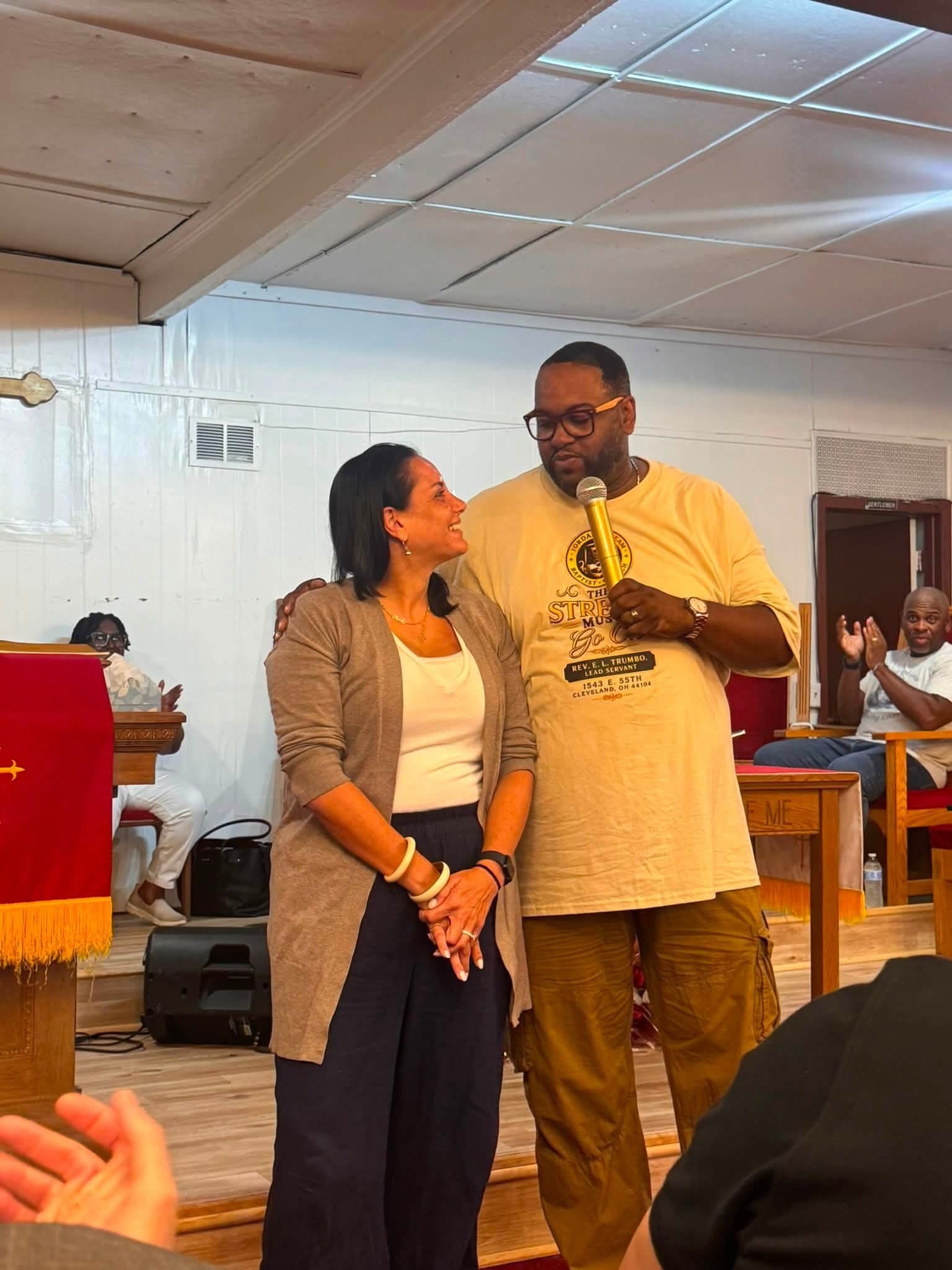
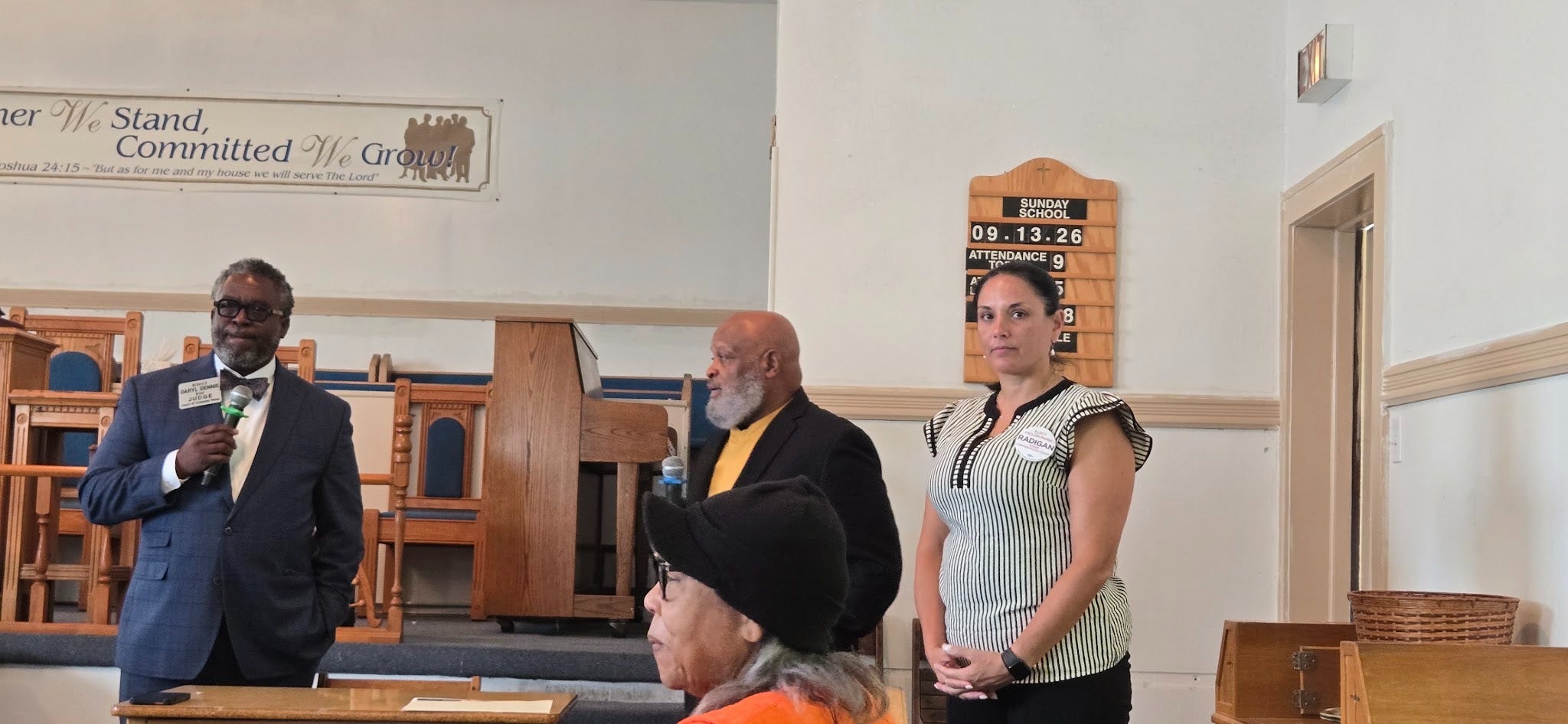
Campaign season inevitably brings candidates into churches, neighborhood events, community organizations, barbershops and other places where voters gather.
But there is a difference between appearing in a community while running for office and having relationships there before asking anyone for a vote.
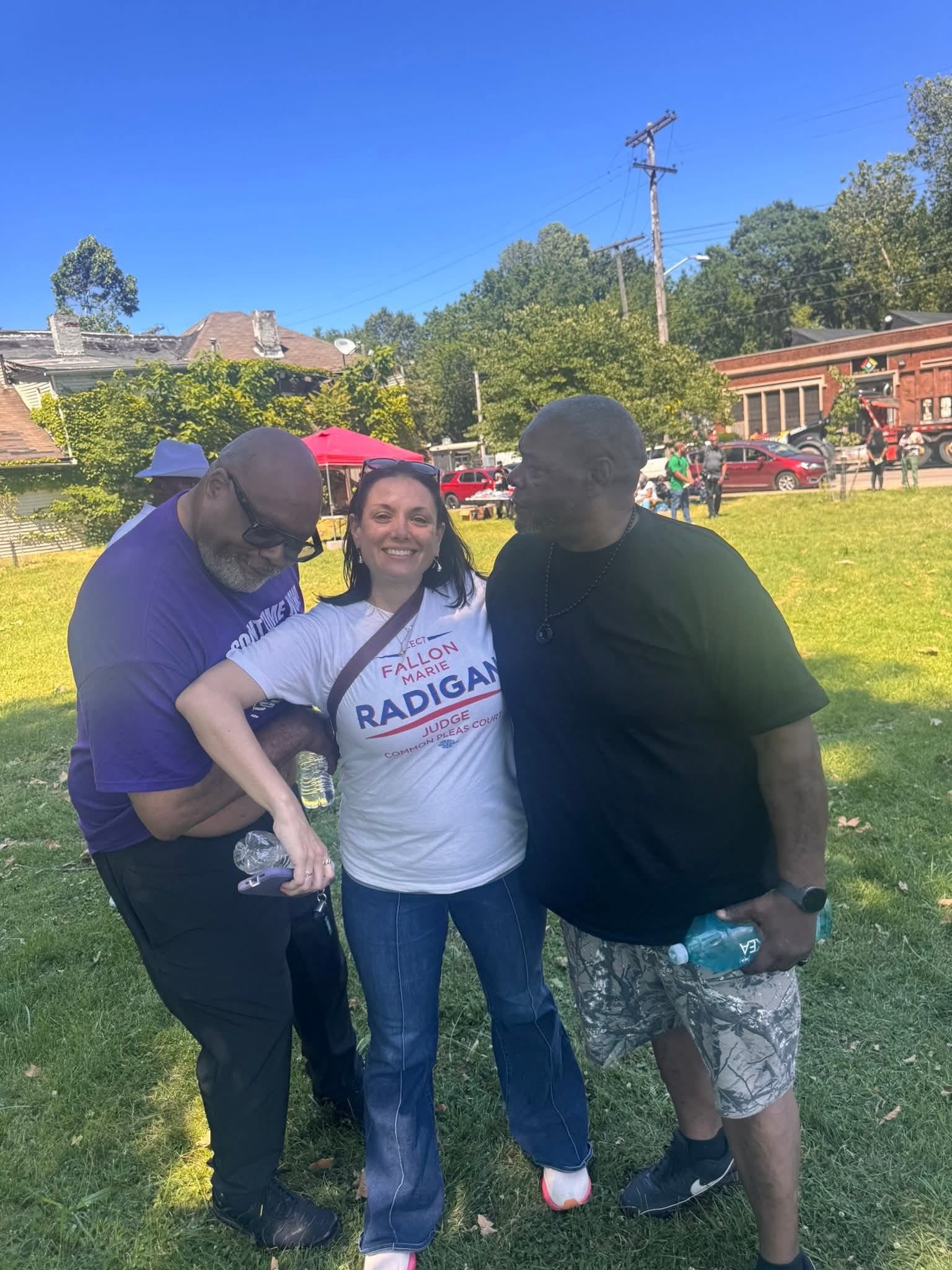
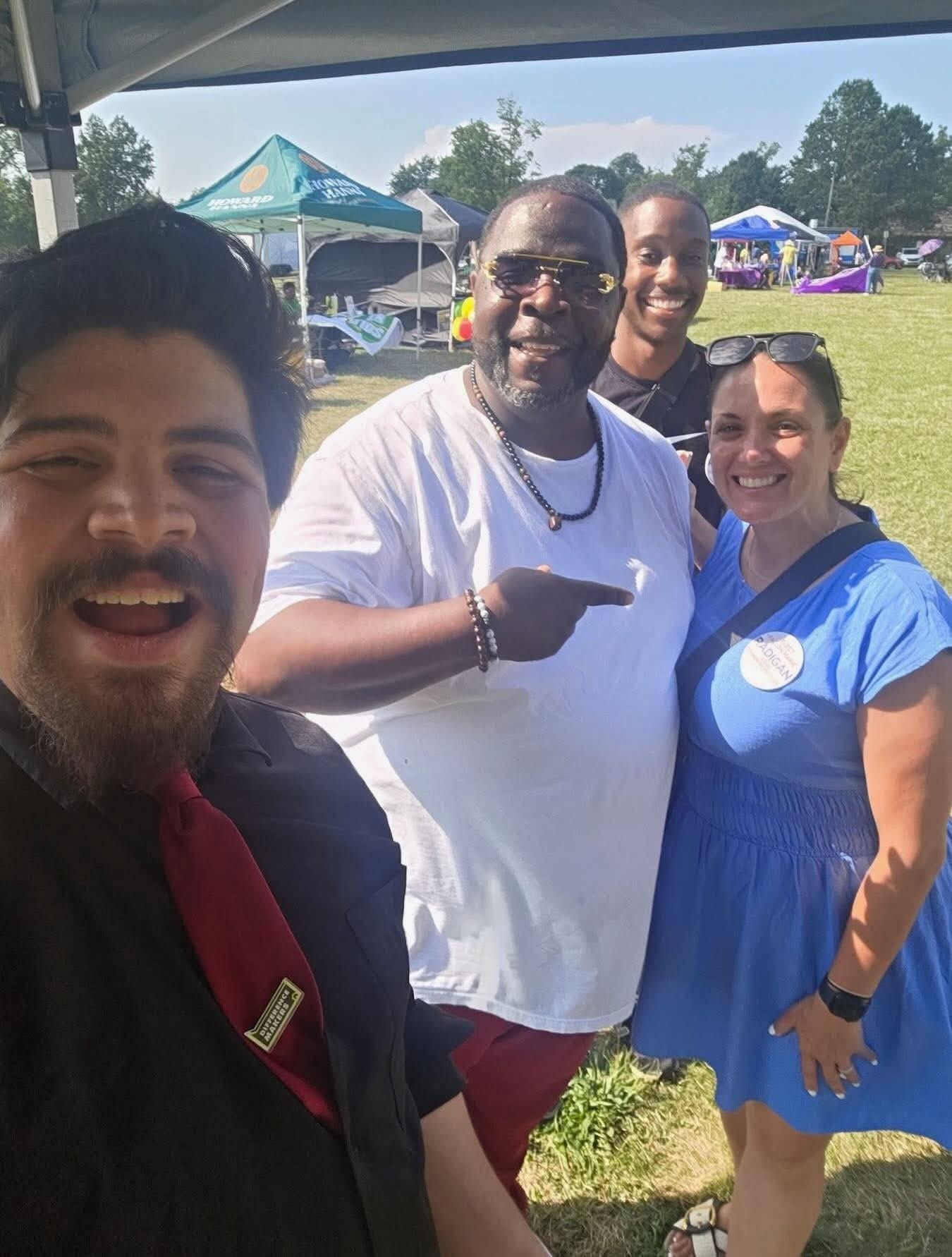
Radigan’s community engagement predates this campaign.
Her work involving Internet Crimes Against Children, for example, extended beyond prosecution. It included education and training with parents, schools and community organizations about protecting children.
That meant going into communities to teach and engage long before she became a judicial candidate.
Over time, she has earned relationships and credibility with Black clergy, political professionals, community activists and neighborhood leaders.
Those relationships weren’t created by a campaign consultant.
They were earned.
And the distinction matters.
Voters should be skeptical whenever a candidate suddenly becomes deeply interested in communities they rarely visited before deciding to run for office. Political campaigns are very good at producing appearances. Genuine relationships are considerably harder to manufacture.
Radigan has something voters can examine for themselves: people throughout the community who knew her before this campaign existed.
Understanding the Community Is Part of the Job
Radigan has also made an effort to understand the larger questions surrounding race and the criminal justice system.
One example is Michelle Alexander’s The New Jim Crow, a book that has profoundly influenced the national conversation about mass incarceration, race and criminal justice.
It is easy for a political candidate to know the title. Radigan has taken the time to engage with and understand the arguments Alexander raises about the criminal justice system and its disproportionate impact on Black Americans.
That does not mean a judge substitutes a book for the law. Judges are obligated to follow the law.
But understanding the history and consequences of the system in which a judge exercises enormous authority matters.
A good judge should understand prosecutors and victims. A good judge should also understand defense attorneys, defendants, families and the communities that experience the justice system most frequently.
Legal knowledge tells a judge what the law says.
Perspective helps a judge understand the people to whom that law is being applied.
The Party Labels Matter — But They Don’t Decide the Argument
There is also a basic political distinction voters should know.
Fallon Radigan is the Democrat in this race. Her opponent is the Republican.
In heavily Democratic Cuyahoga County, that information matters, and voters should know it.
But the strongest argument for Radigan isn’t the letter next to her name.
Take the party labels away and the same questions remain.
Who has the right temperament?
Who has demonstrated professionalism under pressure?
Who understands prosecution and defense?
Who has built authentic relationships throughout the community?
Who has taken the time to understand the people likely to appear before the court?
And who would attorneys who actually practice in these courtrooms trust with the authority of a judge?
Those questions are considerably more important than any campaign slogan.
The Chair Gives Voters a Chance to See for Themselves
There is another way to evaluate Radigan without relying on an article, advertisement or endorsement.
Meet her.
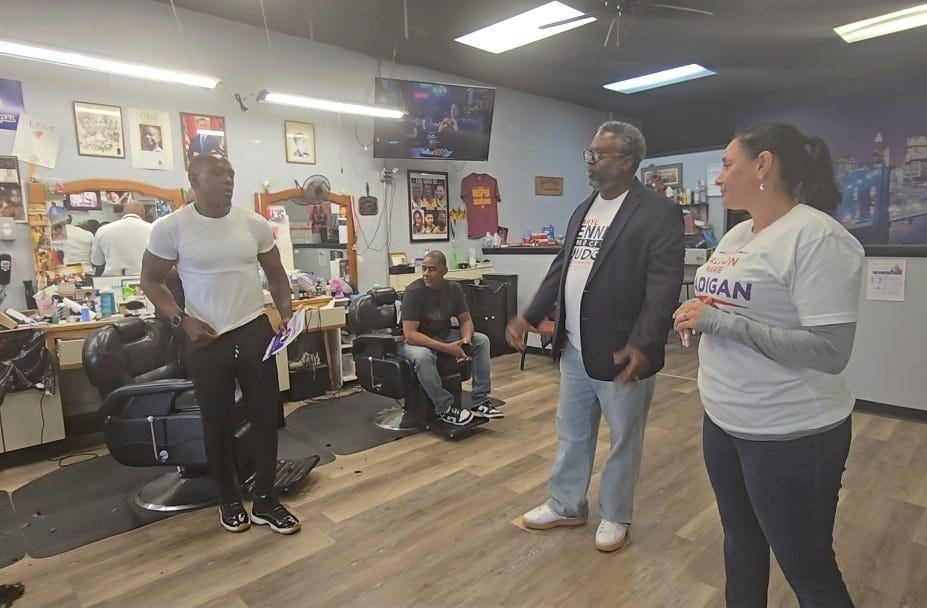
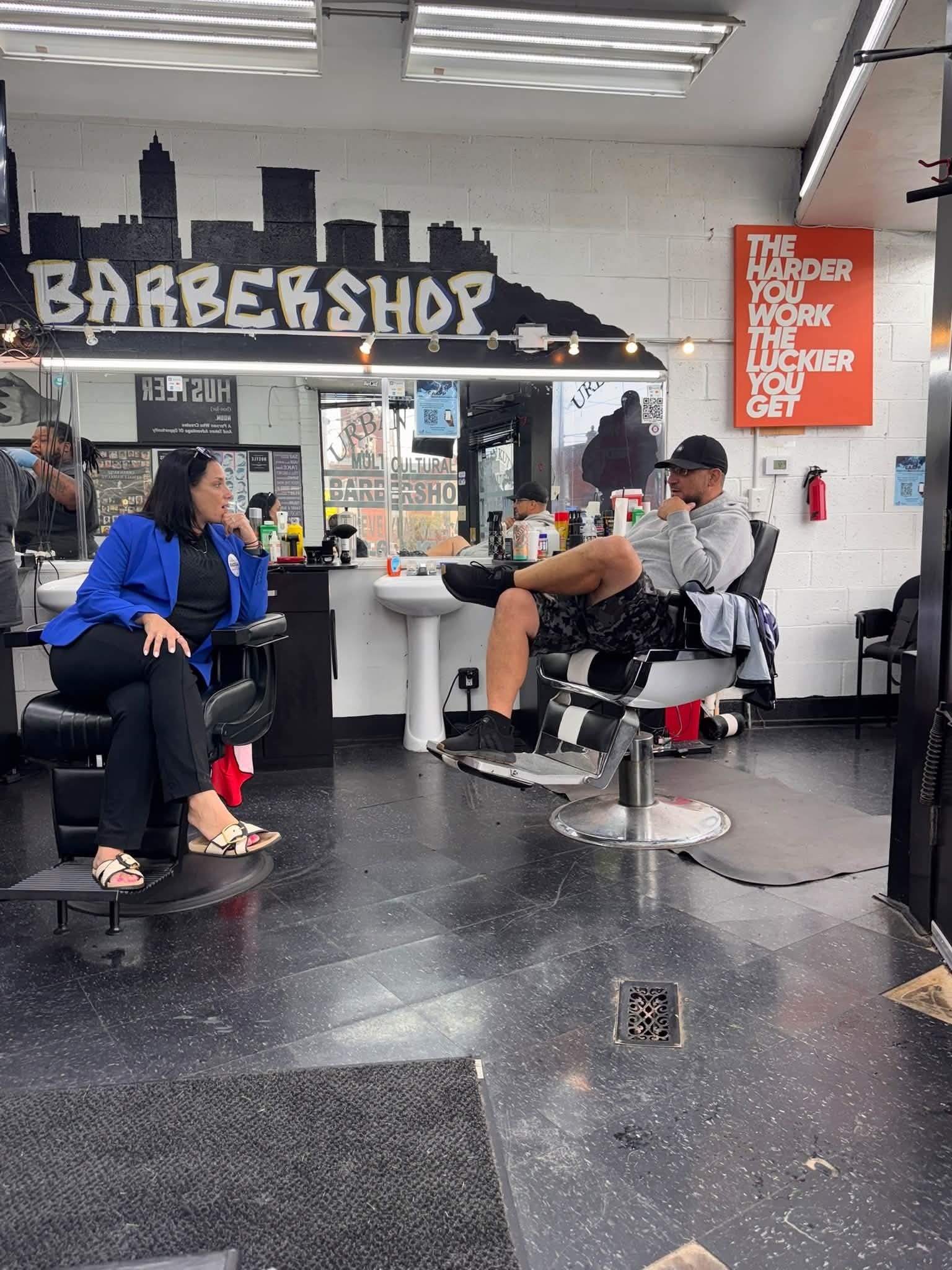
Radigan’s participation in The Chair has taken her directly into barbershops, salons and community spaces where the setting is intentionally different from the traditional political event.
There isn’t much distance between the candidate and the voter.
That’s the point.
People can ask about bail, sentencing, racial disparities, rehabilitation, public safety or The New Jim Crow. They can ask what happens when an attorney strongly disagrees with her. They can ask how she intends to treat defendants, victims and families.
They can disagree with her.
And then they can observe something that rarely appears in campaign literature: how she handles the disagreement.
For someone seeking a judgeship, that’s important information.
Temperament isn’t demonstrated when everyone in the room agrees with you. It becomes visible when somebody doesn’t.
Do Your Own Bench Test
Voters don’t have to accept anyone else’s conclusion about this race.
Do some homework.
Talk to an attorney who regularly practices in Cuyahoga County courts. Ask people who have known the candidates professionally. Talk to community leaders who were doing this work before election season arrived.
And when possible, meet Fallon Radigan yourself.
Judges exercise extraordinary power over people’s lives. Their decisions can affect someone’s freedom, family, finances and future. That makes judicial elections too important to decide simply because a name looks familiar on the ballot.
Fallon Radigan is the Democratic candidate, but there is a case for her that goes well beyond party affiliation.
It is found in nearly 17 years of courtroom experience.
It is found in having worked on both sides of the criminal justice system.
It is found in the relationships she established before she became a candidate.
And it is found in something every voter should consider carefully before giving someone the authority of the bench:
Temperament.
Before Election Day, ask the people who have actually seen the candidates work.
Ask them who would make the better judge.
The answer may make this decision considerably easier.