

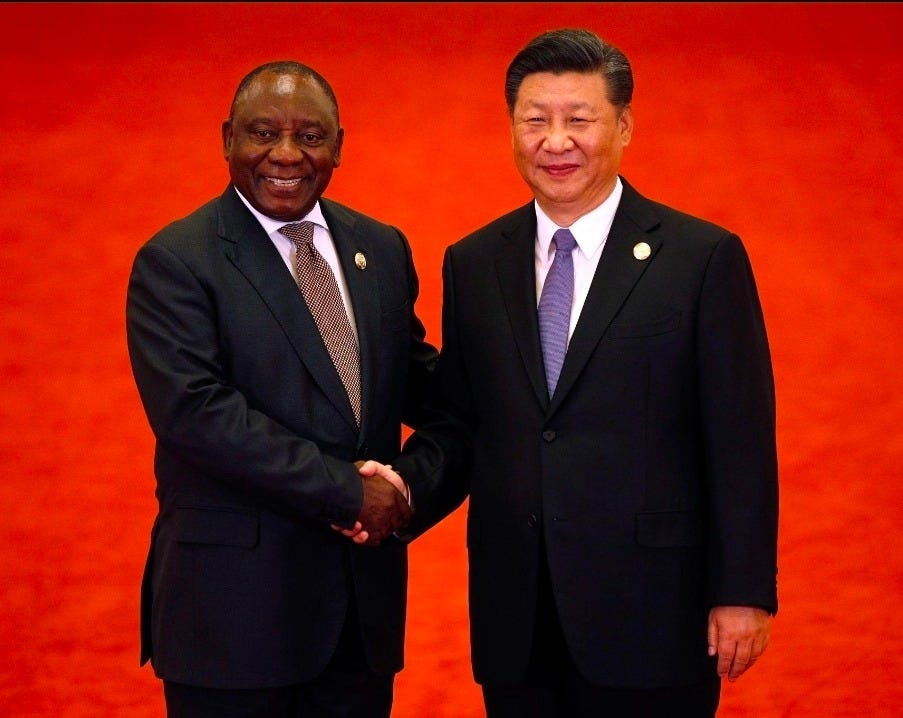
Beginning May 1, 2026, China will eliminate tariffs on almost all products imported from 53 African countries with which it maintains diplomatic relations. The announcement, tied to ongoing China–Africa cooperation frameworks, signals something significant:
A 1.4-billion-person market just lowered the price of entry for African producers.
The headline is simple.
The implications are not.
For African nations, this is not just about tariffs.
It is about leverage, strategy, and whether they move up the value chain — or simply export more raw materials.
What Zero Tariffs Actually Mean
When tariffs are removed:
African goods enter China without import taxes
African exports become more price competitive
Chinese buyers have greater incentive to source from Africa
In practical terms, this could expand exports of:
Agricultural products (cocoa, coffee, tea, fruits)
Minerals and critical materials
Textiles and manufactured goods
Processed foods
Timber and industrial inputs
China is already Africa’s largest bilateral trading partner. Removing tariffs deepens that relationship.
But here’s the real question:
Will African nations export more raw commodities — or more finished goods?
That is where the story shifts from trade policy to strategy.
The Opportunity: Moving Up the Value Chain
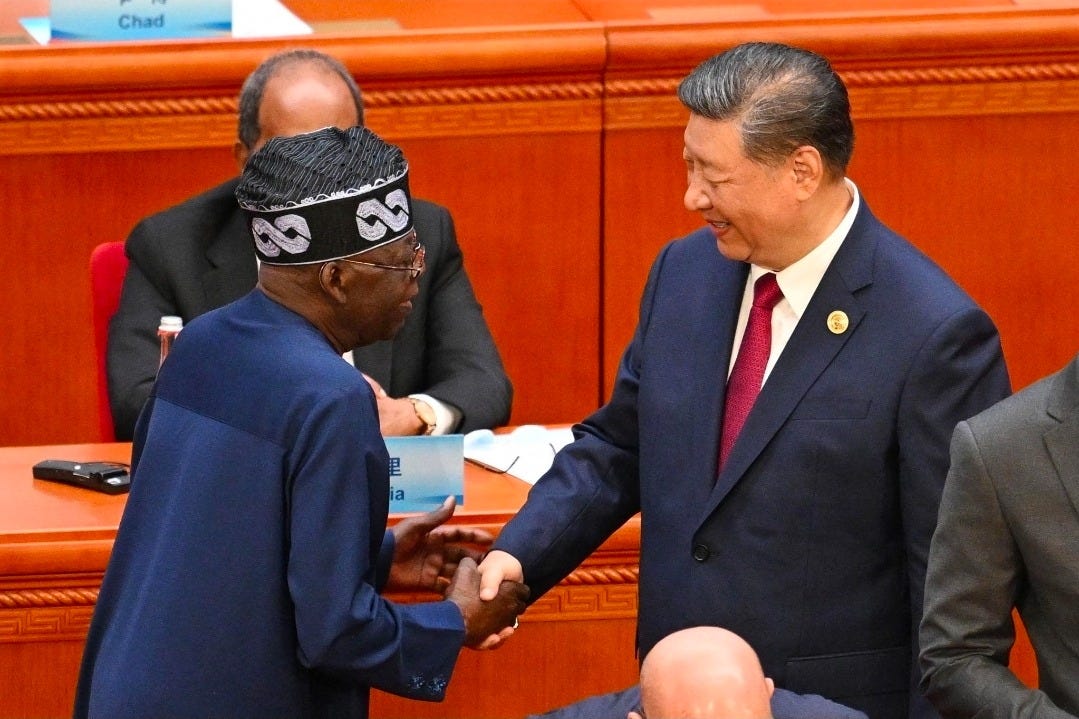
If tariffs are gone, African nations can:
Negotiate long-term supply contracts.
Attract Chinese industrial investment locally.
Develop export-processing zones tied to Chinese demand.
Leverage the African Continental Free Trade Area (AfCFTA) to consolidate supply chains.
Imagine:
Ghana exporting finished chocolate, not just cocoa beans.
Nigeria exporting processed lithium battery components.
Ethiopia exporting branded coffee products instead of raw beans.
Kenya exporting packaged horticulture products at scale.
Zero tariffs make this economically viable.
But only if industrial policy follows.
The Risk: Extractive Patterns 2.0
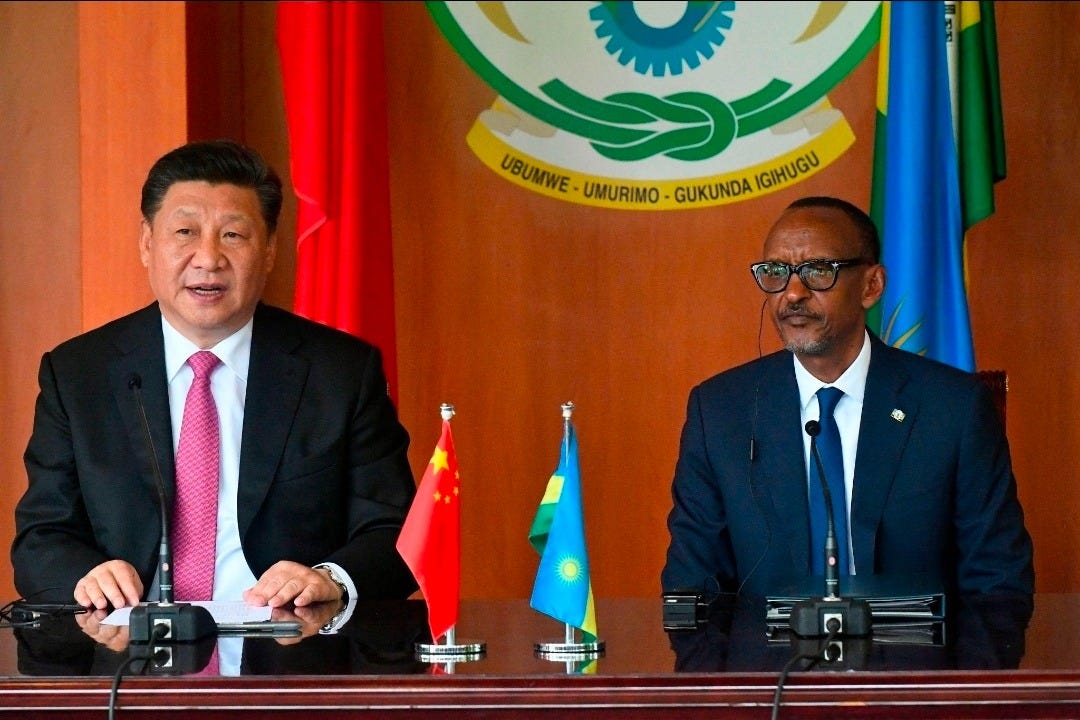
There is also a caution.
Without coordination, zero tariffs could accelerate:
Resource extraction without value addition
Trade imbalances
Overreliance on one major partner
History has shown that preferential access alone does not create industrial transformation.
Market access is not the same as economic sovereignty.
African ministries of trade, finance, and industry must now ask:
Do we have export-ready capacity?
Do we control logistics?
Are we financing manufacturers?
Are we protecting local processing industries?
The difference between growth and dependency will be policy design.
What This Means for the African Diaspora
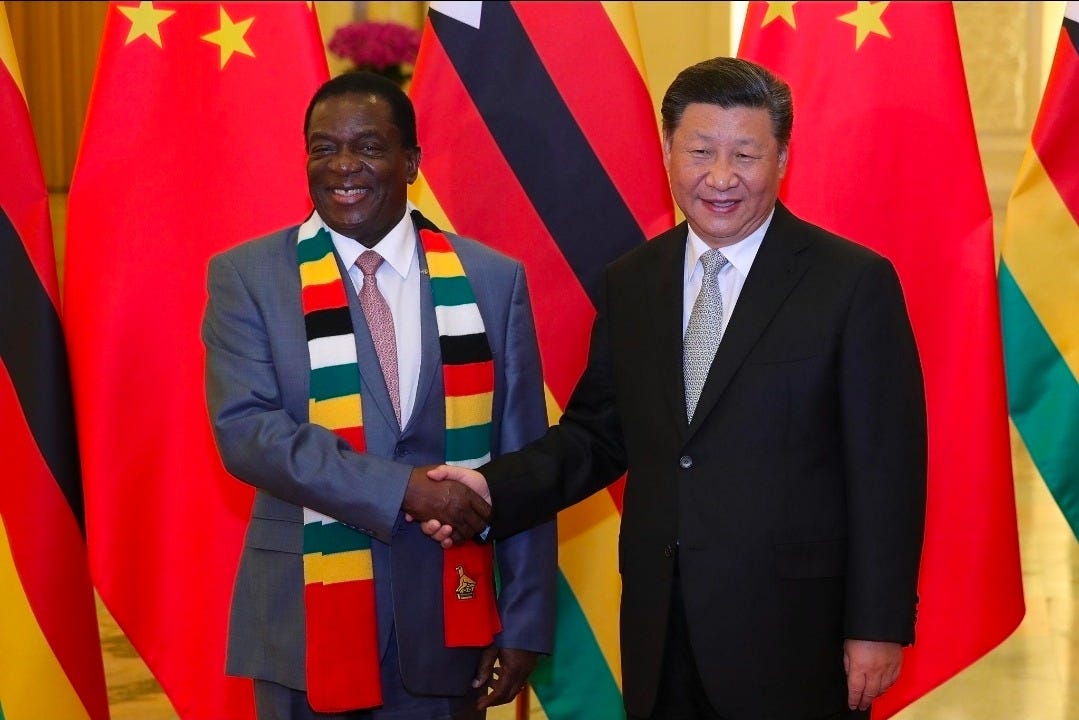
For Black entrepreneurs in the U.S., the Caribbean, and Europe, this shift matters.
Why?
Because diaspora capital can now:
Invest in African export ventures
Structure joint ventures targeting Chinese demand
Build logistics and aggregation businesses
Finance export-ready SMEs
Create diaspora-backed supply chains
Trade agreements open doors.
Capital decides who walks through.
Lessons for Black-Led Economic Strategy Globally
This move also forces reflection.
China is using trade policy as geopolitical strategy.
It is aligning tariffs with long-term partnership goals.
The question for Black-led institutions worldwide is:
Where is our coordinated trade strategy?
Are we building export platforms?
Are we aligning capital stacks?
Are we preparing manufacturers?
Are we educating entrepreneurs about global markets?
Zero tariffs are powerful — but only if someone is ready to produce.
The Bigger Shift
This announcement signals:
A continued pivot of global economic gravity toward the Global South
Intensifying China–Africa alignment
Increasing multipolar trade dynamics
It also signals something deeper:
Africa is no longer peripheral to global economic strategy.
It is central.
The question is not whether opportunity exists.
The question is whether leadership — public and private — will convert access into ownership.
Final Thought
Tariffs are being removed.
But transformation requires more than access.
It requires:
Industrial policy
Capital formation
Infrastructure
Strategic coordination
And courage.
The door is opening on May 1, 2026.
Will Africa walk through as a supplier of raw materials?
Or as a producer of value?
That decision will shape the next generation.