

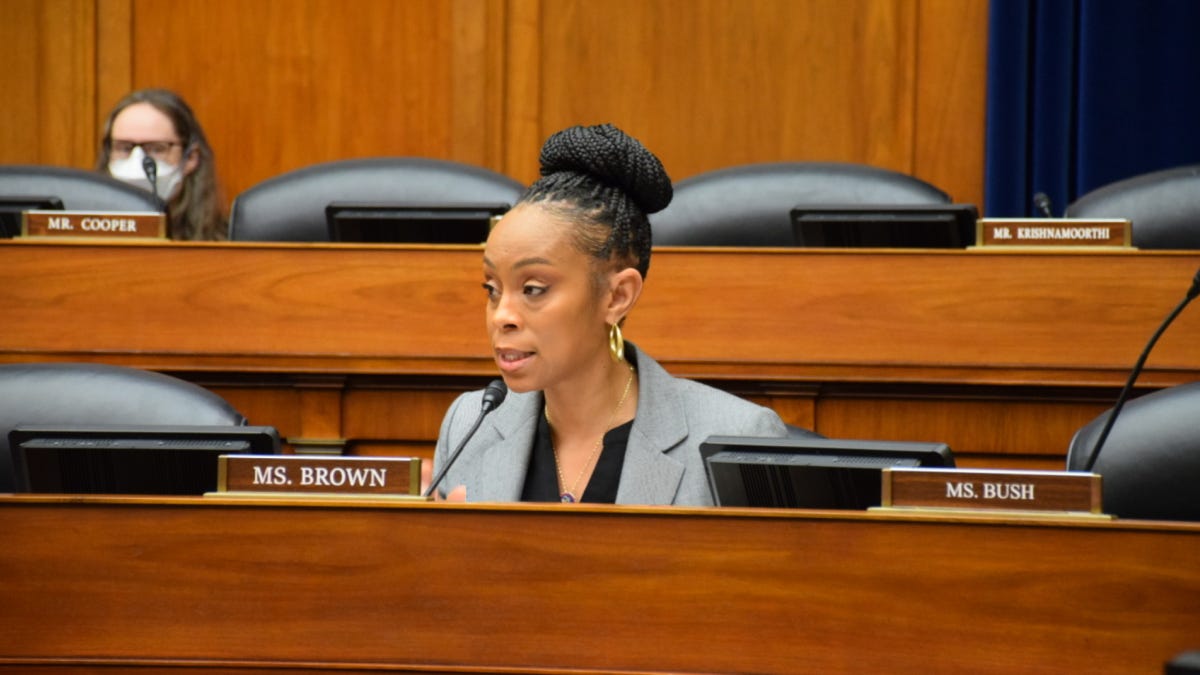
In a powerful moment of cross-aisle unity and practical policymaking, Congresswoman Shontel Brown (D-OH-11) just scored a landmark achievement: her first bill as a lead sponsor has now passed the U.S. House of Representatives. The Strengthening Agency Management and Oversight of Software Assets (SAMOSA) Act cleared the House unanimously by voice vote on December 15, 2025—affirming that when lawmakers work together, government can operate more efficiently and serve the people better.
This isn’t just another bill. The SAMOSA Act tackles a $100 billion-plus annual challenge in federal software spending by requiring agencies to inventory and manage the software they already pay for—and to stop wasting taxpayer dollars on duplicative or unnecessary licenses.
A First for Shontel Brown — And a Big One
For Rep. Brown, this marks a huge milestone—the first piece of legislation she has sponsored to pass the House. In a political environment often defined by gridlock, this achievement shows that leadership grounded in results and partnership can still drive real progress.
Brown didn’t go it alone. She worked closely with Republican allies Rep. Nancy Mace (R-SC) and Rep. Pat Fallon (R-TX) to build broad support. This collaborative approach sent a clear message: good governance isn’t a partisan slogan—it’s a shared responsibility.
Bipartisan Work That Pays Off for Taxpayers
The SAMOSA Act directs every federal agency—including those in the Intelligence Community—to perform a comprehensive assessment of their software inventories and submit plans that cut duplicative costs and streamline purchases. The goal? Smarter spending, better oversight, and more transparency across government technology procurement—all while protecting taxpayers.
Experts believe better software management could save hundreds of millions—and potentially more—each year by eliminating waste and enforcing accountability. These savings could be reinvested in education, infrastructure, public safety, and more.
What This Means Going Forward
With the House’s strong, unanimous support behind it, the SAMOSA Act now heads to the U.S. Senate for consideration—a crucial next step before it can be signed into law. If it becomes law, it will mark a major modernization of how the federal government handles software assets and a win for efficiency and fiscal responsibility.
Why This Matters
In an era where partisanship often stalls progress, Rep. Shontel Brown’s leadership on the SAMOSA Act proves that bipartisan collaboration can yield meaningful reform. It’s a leadership moment worth celebrating—especially for a first major legislative victory in the House.
This is the kind of progress that doesn’t just make headlines—it improves how government works for everyday Americans. Let’s watch this space: more victories may be on the horizon.