
The $2 Microbe That Exposed a $50 Lie

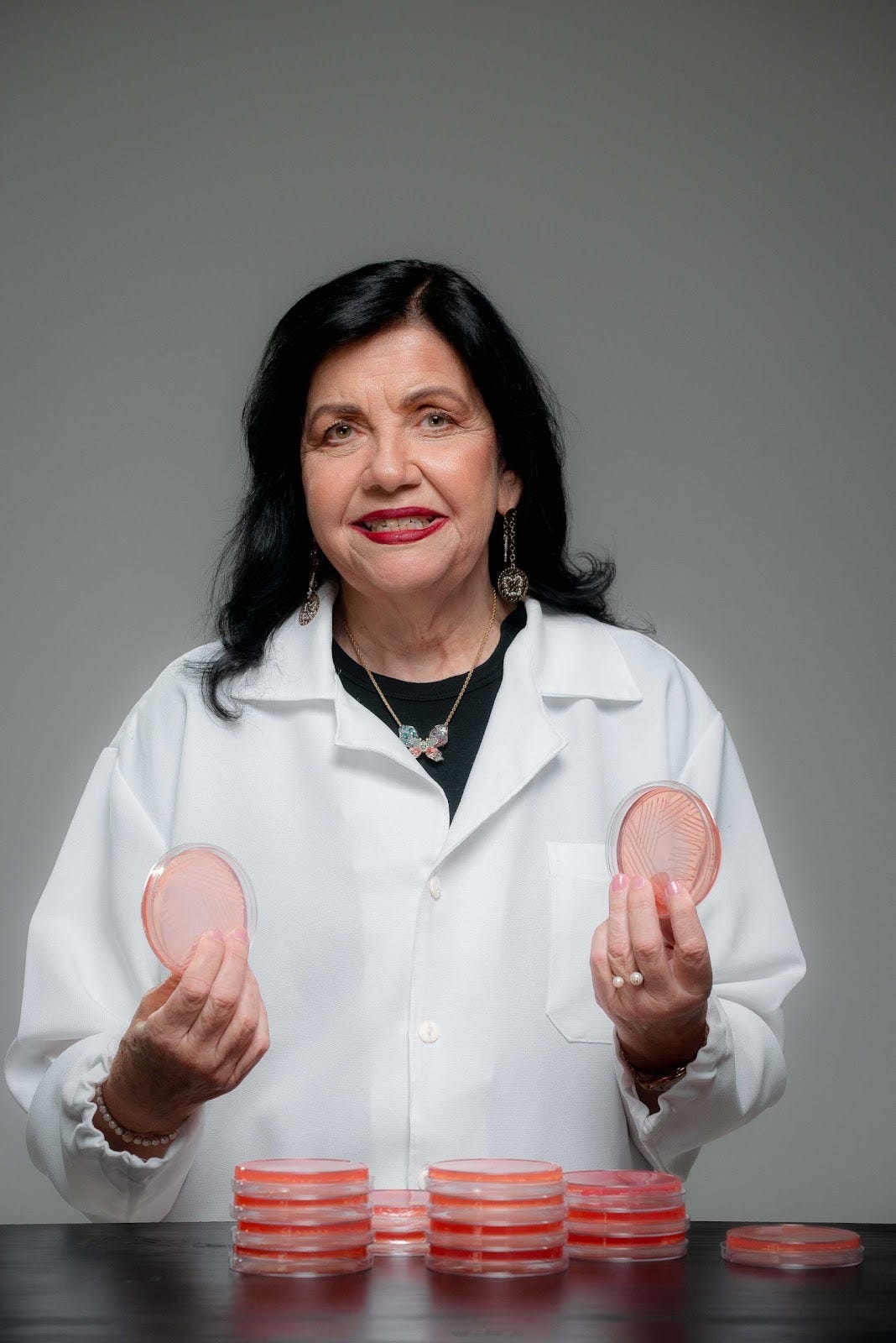
Why a Brazilian Scientist’s Work Matters for Africa, the Caribbean, and Black Farmers in the U.S.
For decades, global agriculture has sold a simple story:
High yields require expensive chemical fertilizer.
That story has made a few corporations very wealthy—and left farmers across the Global South dependent, indebted, and environmentally exposed.
Then a Brazilian scientist quietly proved something different.
After more than 40 years of research, Mariangela Hungria”,”Brazilian microbiologist helped develop and scale biological soil inoculants—naturally occurring bacteria that pull nitrogen from the air and make it usable for crops. The result: farmers could replace costly synthetic fertilizer with a treatment that costs only a few dollars per acre, improves yields, restores soil health, and dramatically cuts carbon emissions.
In 2023, Hungria was awarded the World Food Prize, one of the highest honors in global agriculture. But the deeper story isn’t about a prize—it’s about power, independence, and who controls food systems.
What She Actually Changed
Nitrogen is essential for plant growth. For a century, farmers have relied on synthetic nitrogen fertilizer—produced using fossil fuels, shipped globally, and sold at volatile prices.
Hungria’s work focused on nitrogen-fixing bacteria, especially strains that partner naturally with crops like soybeans, corn, and wheat. When applied to seeds or soil, these microbes:
Pull nitrogen directly from the atmosphere
Feed crops without chemical fertilizer
Improve yields and soil resilience
Reduce greenhouse gas emissions
Brazil adopted this model at national scale. Today, the country saves tens of billions of dollars annually by avoiding nitrogen fertilizer imports while maintaining global leadership in agricultural output.
This wasn’t a lab experiment. It was a systems-level transformation.
Why This Model Matters for Africa
Africa holds 60% of the world’s uncultivated arable land, yet many African farmers remain trapped in low yields and high input costs.
Chemical fertilizer is:
Expensive
Often imported
Frequently inaccessible to smallholder farmers
Biological inoculants flip the equation.
For African nations, this model offers:
Lower production costs without yield sacrifice
Reduced dependency on foreign fertilizer markets
Soil restoration instead of long-term degradation
Climate resilience in drought-prone regions
Most importantly, it allows African agriculture to leapfrog an extractive, fossil-fuel-heavy model and move straight into regenerative, science-based farming—on its own terms.
Why This Matters for the Caribbean
Caribbean nations face a unique bind:
Limited arable land
High food import dependence
High exposure to climate shocks
Synthetic fertilizer compounds those vulnerabilities.
Biological soil systems:
Reduce import dependency
Improve soil productivity on small plots
Support local food sovereignty
Lower costs for farmers operating on thin margins
For island economies, food security is national security. Hungria’s model offers a path to produce more food locally, at lower cost, with fewer environmental tradeoffs.
Why Black Farmers in the U.S. Should Pay Attention
Black farmers in the United States have lost over 90% of their land in the past century. Those who remain often face:
Limited access to capital
Higher operating costs
Discriminatory lending practices
Rising fertilizer prices
Biological inoculants matter because they reduce the need for cash-heavy inputs while increasing yields and soil health over time.
This is not just about sustainability—it’s about survival.
For Black farmers, this model:
Lowers barriers to entry
Improves long-term land viability
Reduces dependency on predatory supply chains
Aligns with regenerative and community-based farming traditions
It is a tool for reclaiming agency in a system designed to exclude.
The Bigger Truth the Headlines Miss
The viral version of this story calls it a “$2 treatment that replaces $50 fertilizer.”
That’s catchy—but incomplete.
What Mariangela Hungria actually demonstrated is more radical:
The most powerful innovations don’t always come from new machines—but from understanding systems that already exist and scaling them with intention.
Her work shows that:
Sustainability can be profitable
Science doesn’t have to be extractive
The Global South can lead global innovation
Food systems don’t have to bankrupt farmers to feed the world
Why This Is a Black Vanguard Media Story
This isn’t just agriculture. It’s economics. It’s climate. It’s sovereignty.
It’s a reminder that solutions for Black communities—whether in Africa, the Caribbean, or the U.S.—don’t always come from more debt, more chemicals, or more dependency.
Sometimes they come from knowledge, patience, and reclaiming control over the ground beneath our feet.
And sometimes, they come from someone who spent 40 years proving that the system we were sold was never the only option.