

Every judicial race eventually comes down to a single, quiet question.
Who do we trust to make decisions when someone’s freedom, family, or future is on the line?
In those moments, the courtroom becomes more than a room. It becomes the place where fairness, discipline, and judgment determine outcomes that affect real lives.
And the person sitting on the bench must bring something more than legal credentials.
They must bring experience, steadiness, and the temperament to lead a courtroom with integrity.
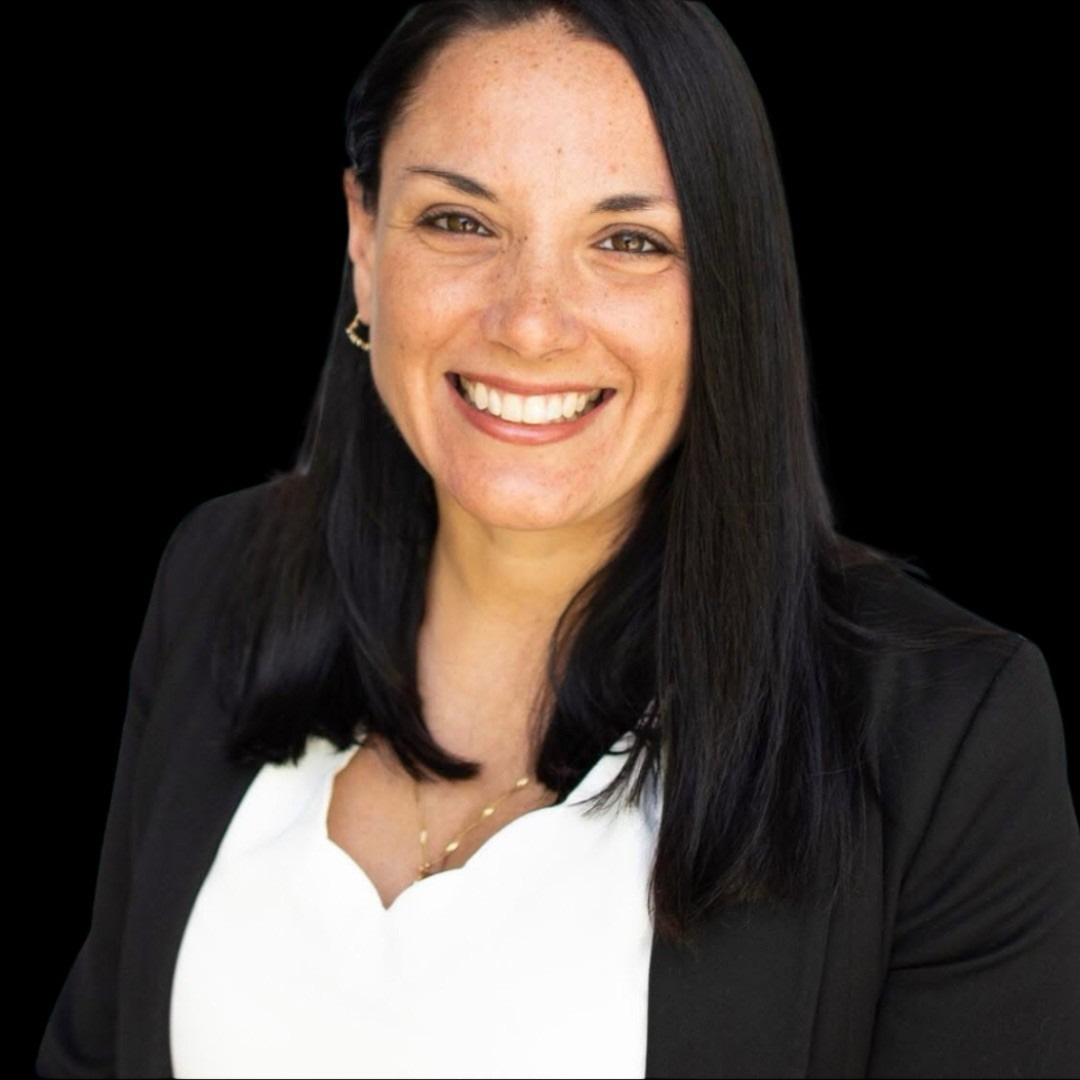
For many observers of the Cuyahoga County legal community, Fallon Marie Radigan represents exactly that kind of candidate.
A Career Built Inside the Justice System
Some lawyers visit the courtroom.
Others build their careers inside it.
Fallon Radigan has spent nearly two decades working in the heart of the Cuyahoga County justice system, handling cases across nearly every level of criminal law.
After graduating from West Virginia University and the University of Dayton School of Law, she began her career in 2010 at the Cuyahoga County Prosecutor’s Office.
She started in juvenile court—an environment where legal decisions often intersect with families, schools, and the earliest stages of the justice system.
From there, Radigan moved into the General Felony Unit, where cases become more complex and the stakes significantly higher.
Her work and preparation eventually led to a promotion to the Major Trial Unit, a role reserved for attorneys trusted to handle some of the most serious criminal prosecutions in the county.
Over time, she handled cases ranging from minor misdemeanors to capital murder, giving her a comprehensive understanding of the legal system from its smallest details to its most consequential decisions.
Protecting the Most Vulnerable
One of the defining chapters of Radigan’s career came when she was appointed to lead the Internet Crimes Against Children Task Force, a role that required coordination with law enforcement agencies and the prosecution of individuals accused of exploiting children online.
The work was not only investigative and prosecutorial.
It was educational.
Radigan worked directly with schools, parents, and community organizations to help families understand how to protect children in a digital world.
The cases involved were often difficult and emotionally taxing, but they reflected the kind of responsibility that requires both legal skill and deep personal discipline.
Those who have worked in this area know the emotional weight it carries.
And they know it demands a certain type of professional—someone who can remain focused, fair, and relentless in protecting the vulnerable.
Seeing the System from Both Sides
One of the most valuable qualities a judge can possess is perspective.
Radigan’s career has given her exactly that.
After years as a prosecutor, she transitioned into criminal defense and civil practice, allowing her to see the justice system from both sides of the courtroom.
That experience matters.
Judges must evaluate arguments presented by prosecutors and defense attorneys alike. They must weigh facts carefully, understand the pressures facing both sides, and make decisions grounded in law rather than emotion.
Attorneys who have practiced in multiple roles often develop a deeper appreciation for the balance required on the bench.
It is a perspective Radigan brings with her after nearly 17 years of litigation experience.
What People Notice in the Room
One of the quiet tests of leadership rarely appears on a résumé.
It reveals itself the moment someone walks into a room.
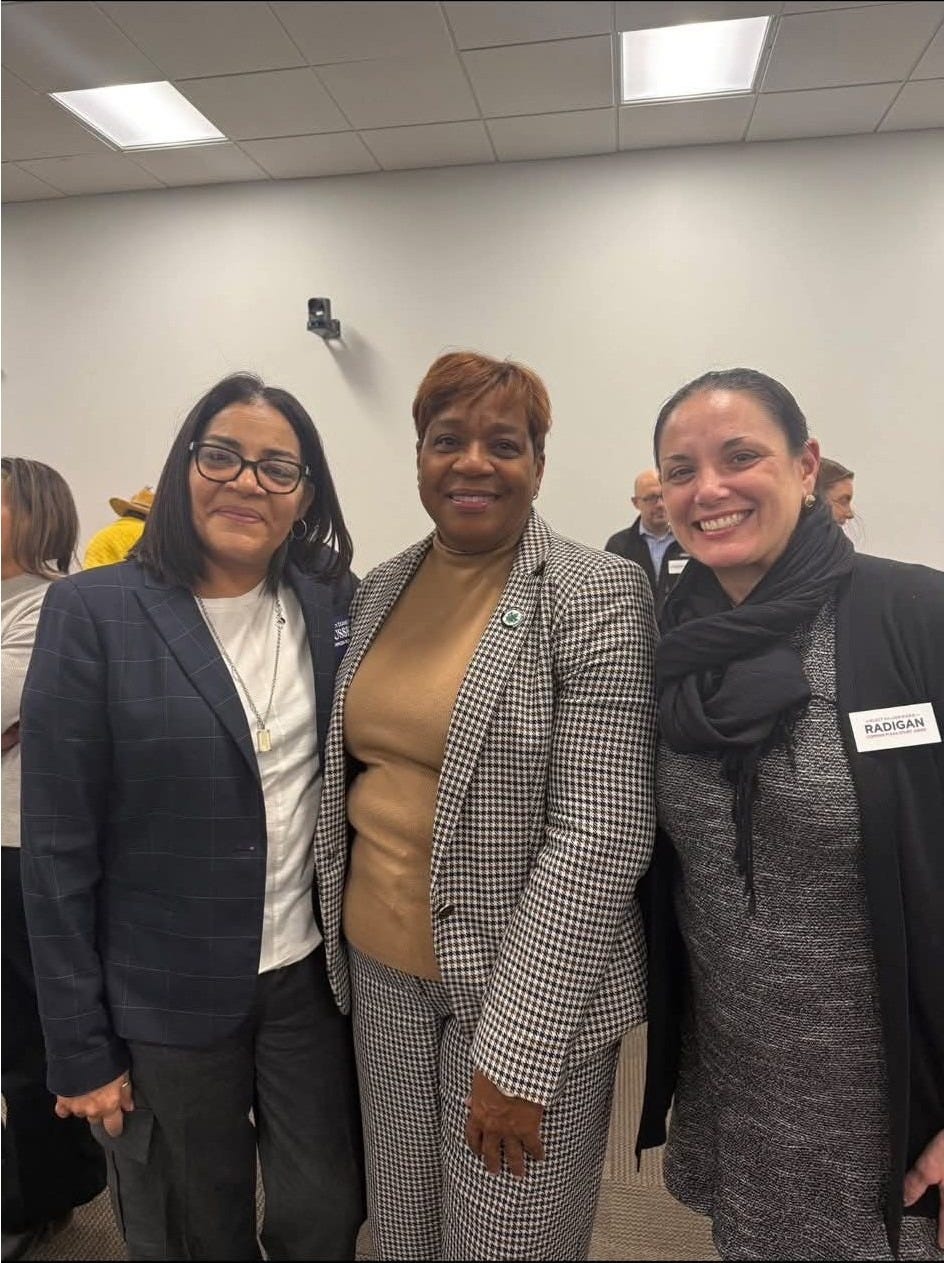
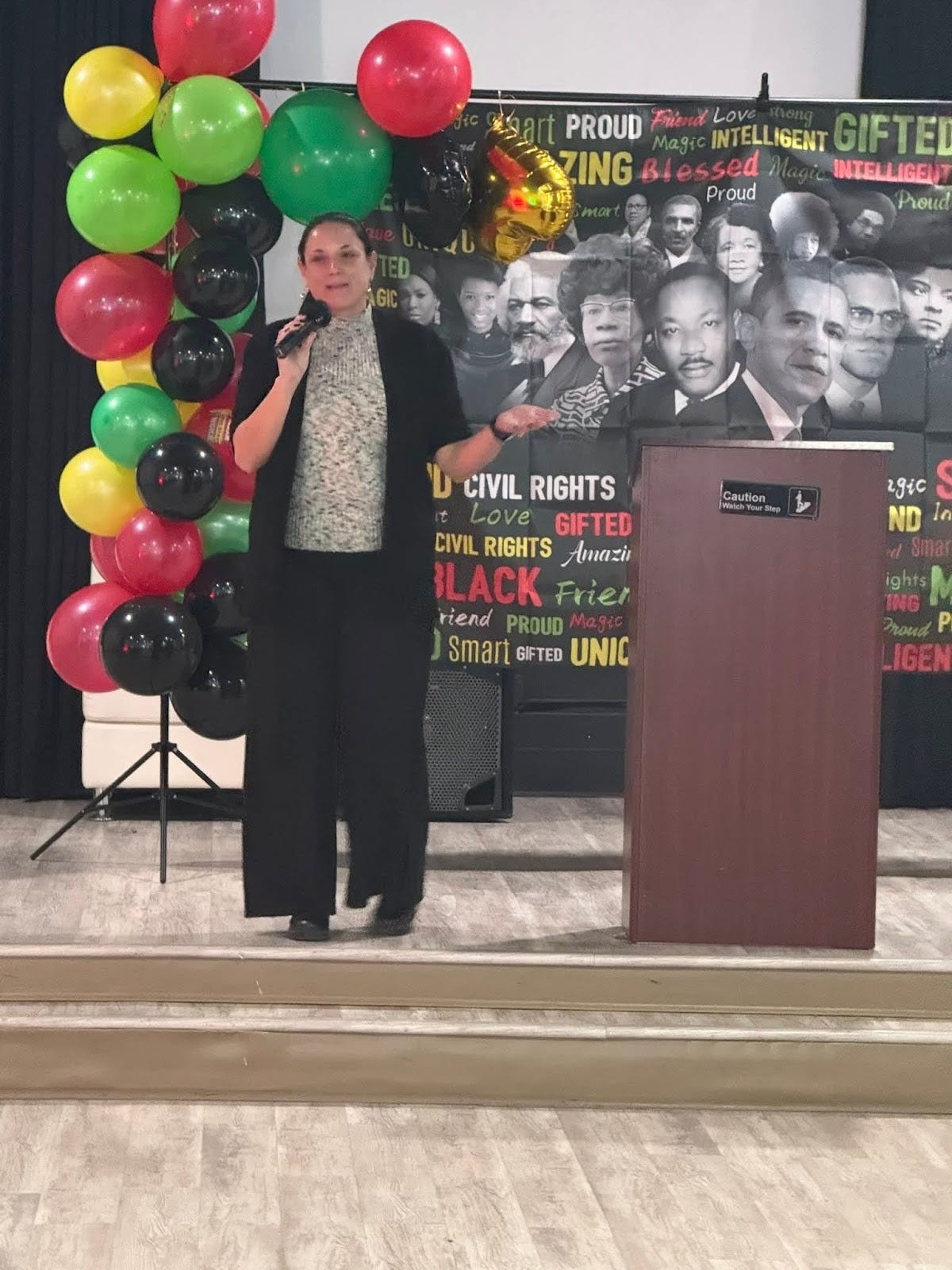
In courtrooms, legal conferences, and community meetings across Northeast Ohio, Fallon Radigan has built a reputation not through slogans but through presence.
People who have worked with her often describe the same pattern.
She listens before she speaks.
She prepares before she argues.
And when she does speak, it is with clarity and purpose.
Inside a courtroom, those habits matter.
Attorneys notice it.
Court staff notice it.
Community members sitting in the gallery notice it.
The legal system works best when the person at the center of it brings steadiness rather than friction, preparation rather than improvisation, and professionalism rather than personal emotion.
Those qualities rarely appear in campaign mailers.
But they become obvious to anyone who has spent time around the work itself.
Over the years, Radigan has developed a reputation for exactly that kind of professional presence.
And in a role where every decision carries consequences for real people, that kind of demeanor matters as much as any legal credential.
The Quiet Power of Temperament
Judges are expected to do something few other professionals must do daily.
They must manage conflict without becoming part of it.
Courtrooms can be emotionally charged environments. Attorneys argue passionately, victims seek justice, defendants face life-changing consequences, and families often sit in the gallery hoping the system will treat them fairly.
The judge becomes the center of gravity in that room.
The best judges do not escalate conflict.
They steady it.
They do not bring ego into the courtroom.
They bring professionalism.
They do not carry personal frustrations into decisions.
They rely on preparation, experience, and fairness.
Radigan has often described justice in simple terms:
“Justice isn’t about winning or losing. It’s about being fair and doing what is right—even when it isn’t the popular opinion.”
That philosophy reflects something voters often hope to see on the bench:
A judge who is firm but fair, steady but compassionate.
A Career Built Case by Case
When voters evaluate judicial candidates, it can be difficult to understand the difference between experience and exposure.
Some attorneys appear in court occasionally.
Others build their careers there.
Radigan’s professional journey reflects the latter.
Year after year, she worked inside the system reviewing search warrants, presenting cases to grand juries, prosecuting serious crimes, and training law enforcement officers on how to properly prepare cases for court.
She supervised units within the prosecutor’s office and handled investigations that required careful coordination with multiple agencies.
Stack those years together and a clear pattern emerges.
Not a career built on a single moment or title.
But one built case by case, courtroom by courtroom, year after year.
Roots in Hard Work
Radigan’s story also reflects the values she often speaks about publicly.
She grew up in a blue-collar family in North Ridgeville, where hard work and integrity were constant expectations.
Those lessons carried into her legal career.
Family, integrity, and compassion remain the principles she says guide her decisions as an attorney.
For many voters, those values matter as much as legal credentials.
Because a judge’s role is not simply to interpret the law—it is to apply it in ways that affect the daily lives of people in the community.
A Democrat in a County That Values Public Service
Judicial races in Cuyahoga County often reflect the broader values of the region: fairness, stability, and a commitment to public service.
Radigan has spent her life in the Democratic tradition of public service that has shaped much of Cuyahoga County’s civic leadership
But the central story of her campaign is not partisan.
It is professional.
Years of courtroom experience.
Work protecting vulnerable people.
A reputation for professionalism.
And a temperament suited for the bench.
The Choice Voters Often Look For
Judicial elections can sometimes leave voters searching for clear information about the candidates.
They want to know who has the experience.
Who has the right temperament.
And who understands the responsibilities of the bench.
Occasionally, a candidate’s record provides those answers without needing to say much at all.
Fallon Radigan’s career reflects something straightforward yet powerful:
A lawyer who has spent years doing the work.
A public servant who understands the system from every angle.
And a professional whose temperament reflects the seriousness of the office she seeks.
When the role requires fairness, discipline, and judgment, that kind of record speaks clearly.
And for many voters, it answers the most important question of all:
Who do we trust on the bench?