

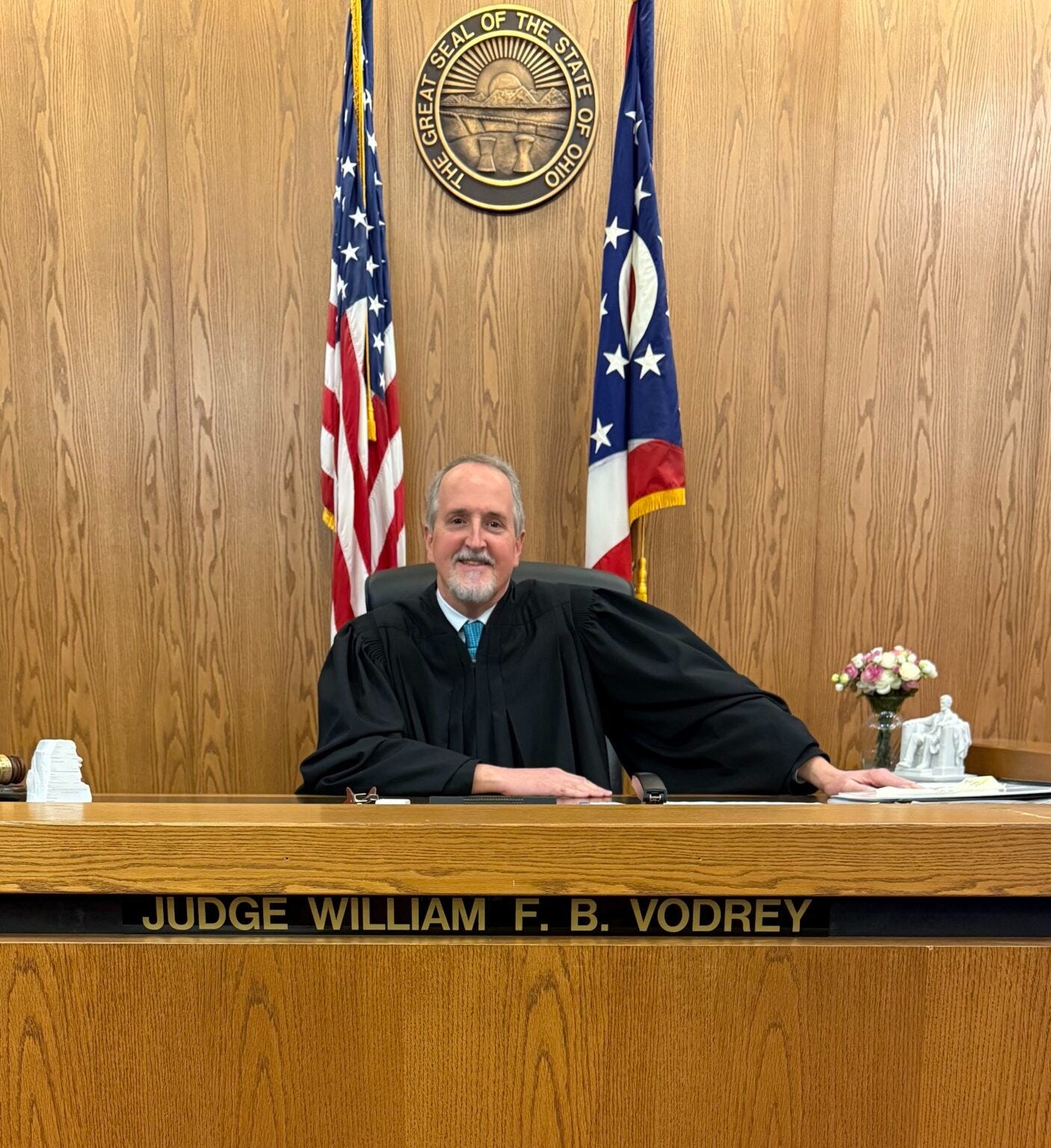
In an era where public trust in institutions is often fragile, one of the most important questions communities can ask is simple:
Who shows up?
Who shows up when the community wants to understand the justice system?
Who shows up when young people are trying to decide whether the law is something that works for them—or against them?
And who shows up when the responsibility of judging people’s lives requires fairness, patience, and humility?
For many residents across Cuyahoga County, the answer to those questions has increasingly been Judge William Vodrey.
While judicial races often receive less attention than political contests, the impact of a judge can be profound. Judges shape how laws are applied, how fairness is experienced in real life, and whether people believe the system treats them with dignity.
Vodrey’s career suggests a clear philosophy: justice is not an abstract idea—it is something that must be practiced daily, with care and integrity.
A Career Built on Service
Judge Vodrey’s path into law began with a commitment to public service.
Raised in East Liverpool, Ohio, he went on to earn his undergraduate degree with honors in government from Oberlin College and later a law degree from Case Western Reserve University School of Law.
His career has included work across multiple parts of the legal system:
Legal Aid lawyer
Assistant County Prosecutor
Cleveland Municipal Court Magistrate
Judge of the Cuyahoga County Court of Common Pleas
That range of experience means he has seen the justice system from nearly every angle—representing people in need, prosecuting cases, and ultimately presiding over the courtroom as a judge.
It is that full-spectrum experience that many legal observers believe shapes his approach today.
“Being as fair and impartial as I possibly can be, doing justice without fear or favor, bias or prejudice,” is how Vodrey describes the principles guiding his decision-making.
A Judge Who Understands the Stakes
For many people—particularly those from communities historically underserved by institutions—the courtroom can feel like an intimidating place.
Vodrey has repeatedly emphasized that judges must remember who the courtroom ultimately belongs to.
“I often invite people to come see me at work,” he has said.
“It’s your courtroom as much as it’s mine.”
That perspective has shaped his focus on several issues that matter deeply across Cuyahoga County, including:
Reducing disparities in the justice system
Ensuring fairness in pretrial detention and bail decisions
Helping young people see a future for themselves in the law
He has been particularly vocal about one persistent issue in the justice system: the role money can play in determining who sits in jail before trial.
Too often, he notes, individuals accused of nonviolent offenses remain behind bars simply because they cannot afford bail, while wealthier defendants return home. Vodrey has supported reforms and data-driven approaches designed to make those decisions more equitable.
The goal, he argues, is not ideology—it is fairness.
Justice That Looks Forward, Not Just Back
One of the realities of modern courts is that many cases are closely connected to broader social issues.
Mental health challenges, addiction, and economic instability frequently appear in courtrooms across the country.
Judge Vodrey has acknowledged that these issues appear in more than half of the criminal cases he sees.
Rather than viewing the courtroom solely as a place for punishment, he has often emphasized the role courts can play in helping people move toward stability.
Whenever possible, he has ordered treatment and counseling services for defendants whose cases involve substance abuse or mental health issues.
And the results, he says, are among the most rewarding moments of his work.
Some of his best days, he notes, come when the court’s probation department reports that someone who once stood before him has become clean, sober, employed, and living a law-abiding life.
When that happens, he has often granted early termination of probation.
For a judge, those outcomes represent more than statistics—they represent lives redirected.
Reaching the Next Generation
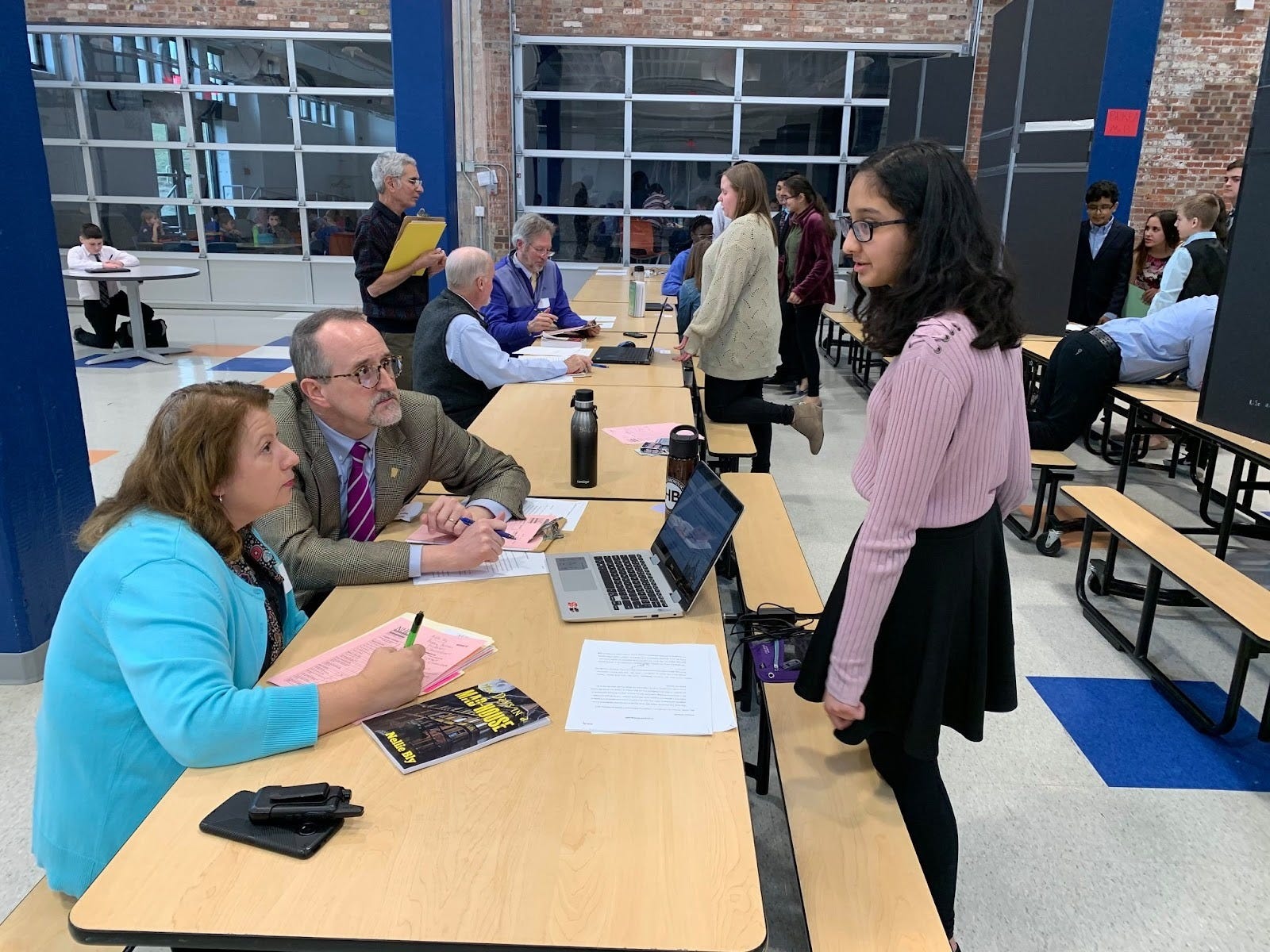
Another hallmark of Vodrey’s work has been his involvement with programs designed to introduce young people to the legal system.
For years, he has participated in the Ohio Center for Law-Related Education’s mock trial program, working with students to help them understand how courts function and what careers in law can look like.
His hope is that more young people—especially those who have historically felt disconnected from the justice system—will see themselves as future lawyers, judges, and leaders.
Exposure, he believes, matters.
When young people can step inside a courtroom not as defendants but as participants in a mock trial or educational program, the law begins to look less like a distant authority and more like a system they can engage with.
Respecting the Role of Law Enforcement—and Accountability
Vodrey’s approach to justice also reflects a balanced view of policing and public safety.
He recognizes the difficult and sometimes dangerous work police officers perform. At the same time, he has consistently emphasized that the Constitution requires accountability.
Police officers, he argues, must be well trained in areas such as de-escalation, proportional use of force, and engagement with social services when appropriate.
Those standards protect both the public and the officers themselves.
At the same time, Vodrey stresses that when misconduct occurs and citizens’ rights are violated, the legal system must respond accordingly.
It is a perspective rooted not in politics but in the basic framework of constitutional law.
The Value of Experience on the Bench
Judicial elections can sometimes become popularity contests or contests of recognition.
But the responsibilities of a trial judge demand something deeper than name familiarity.
Every day, judges must:
interpret the law
manage complex trials
rule on evidence and procedure
and make decisions that affect the lives of individuals and families.
Vodrey brings decades of legal experience to those responsibilities.
His written opinions have been cited as official Ohio precedent more than twenty times, a reflection of the legal significance of his rulings.
That level of influence underscores the importance of thoughtful judicial reasoning and careful adherence to the law.
A Quiet Presence in the Community
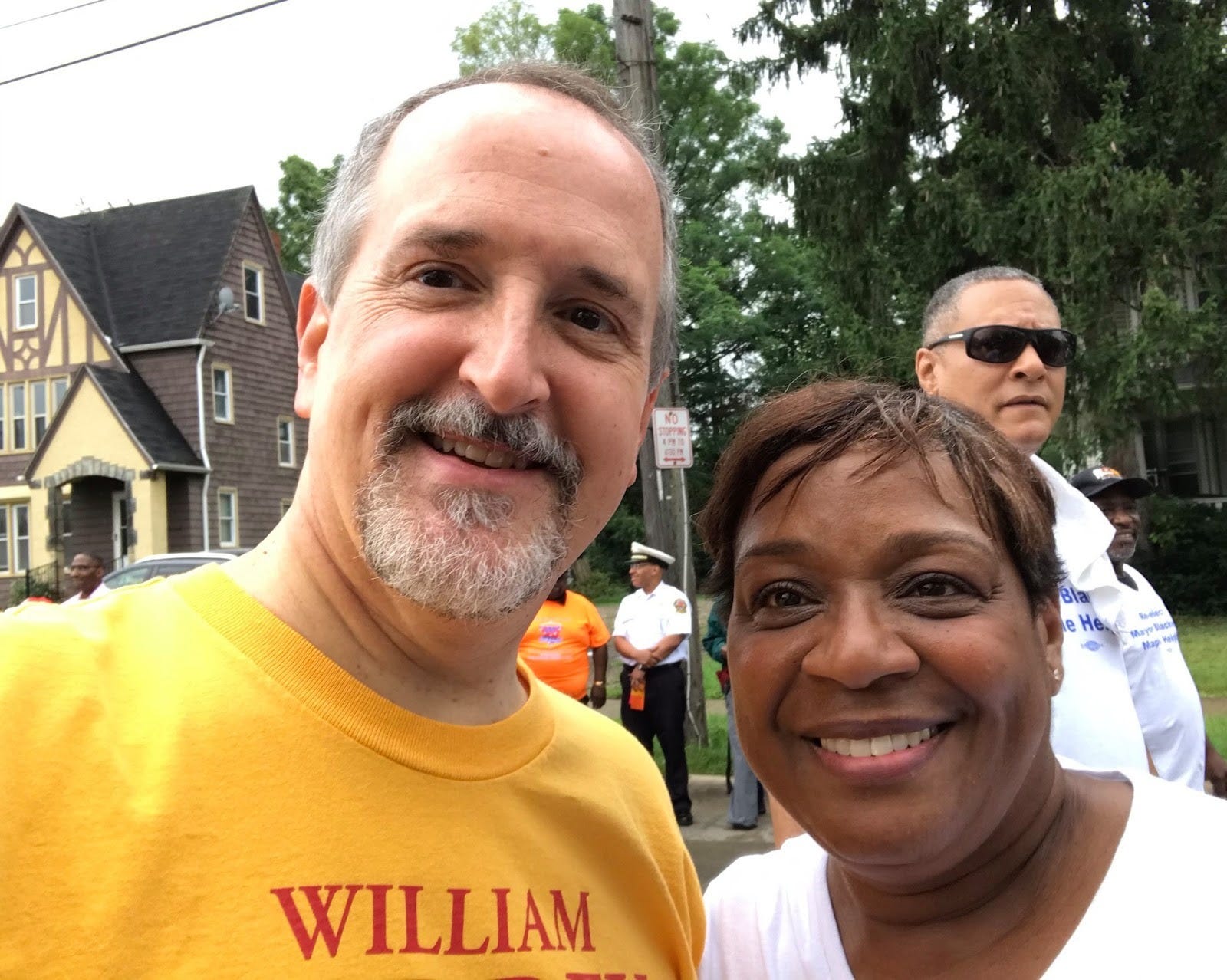
Beyond the courtroom, Vodrey has also been active in academic and civic circles.
He has served as a visiting professor of legal advocacy through the Oberlin Law Scholars Program and has received recognition from both Oberlin College and Case Western Reserve University for his contributions to legal education and mentorship.
For many who have interacted with him, what stands out is not flashiness but consistency.
A calm demeanor.
A willingness to listen.
A commitment to fairness.
The qualities that make a judge effective are often the same qualities that make them less visible in a world dominated by headlines and campaign slogans.
But those who follow the work of the courts know that quiet professionalism can be one of the most valuable traits on the bench.
The Work Continues
For Judge William Vodrey, the role of a judge is ultimately about stewardship.
Courts belong to the people.
Justice must be administered carefully.
And public confidence must be earned through daily practice.
The work, as he sees it, is ongoing.
Every case presents a new opportunity to uphold the rule of law, treat individuals with dignity, and ensure that justice is applied fairly.
And in a system where trust is built one decision at a time, that steady approach may be exactly what communities need most.